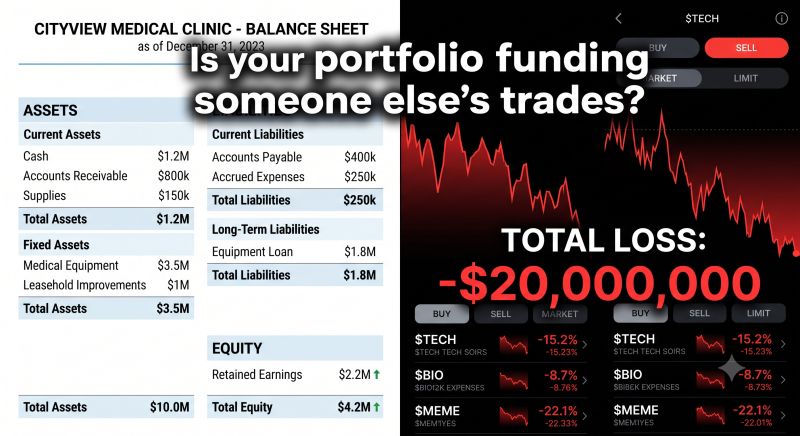
On June 24, 2026, Patrick Alan Bucknum, 55, former Chief Executive Officer of Community Clinic Network in Wenatchee, Washington, pleaded guilty in the Eastern District of Washington to wire fraud. CCN managed healthcare payment contracts for a conglomerate of clinics across the state, which put its bank accounts under Bucknum's direct authority.
Beginning in April 2017, Bucknum wired company funds into personal brokerage accounts to trade stocks, options, and ETFs. Court documents say he was influenced by social media promoting aggressive trading strategies, and initially planned to keep the profits and quietly return the principal. The trades went badly, so he embezzled more to chase the losses. Between 2017 and 2023 he took approximately $30 million and returned about $7 million. He also spent company money directly: a $100,000 pickup, a $77,000 Tesla, a $33,000 boat, and, in August 2024, $1,199,000 in gold, silver, and platinum coins. Total loss: $24,368,427.37. He forfeits the vehicles, boat, and coins under his plea agreement, with sentencing set for September 23, 2026. The FBI investigated.
Under the ACFE Fraud Tree, this is executive-level asset misappropriation through unauthorized wire transfers, sustained for six years by the loss-chasing spiral every fraud examiner recognizes: each failed recovery attempt requiring a larger theft than the last.
Standard Quality of Earnings reports leave a blind spot in transaction advisory.
Consider the June 2026 DOJ case where a healthcare network CEO pleaded guilty to embezzling $24 million. For six years, he wired company funds to his personal brokerage accounts for day trading. Standard financial reviews rely heavily on sampling and management representations, which completely miss this type of executive level fraud.
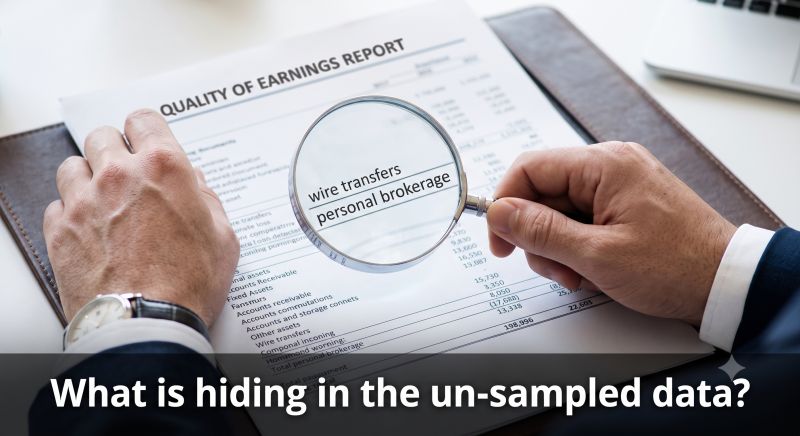
For business brokers and QoE advisors, a Business Health Check is the perfect addition to your due diligence playbook. It provides a surgical stress test of 100% of a target company's banking data. By scanning for unauthorized transfers, hidden liabilities, and unusual cash outflows, you give your buyers absolute assurance.
Differentiate your advisory services and protect your clients from acquiring broken control environments.

I've spent 15+ years investigating financial crime in law enforcement, fintech, and the credit bureaus. I write these briefs so the patterns are harder to miss. If this one hits close to home, I'm easy to reach.